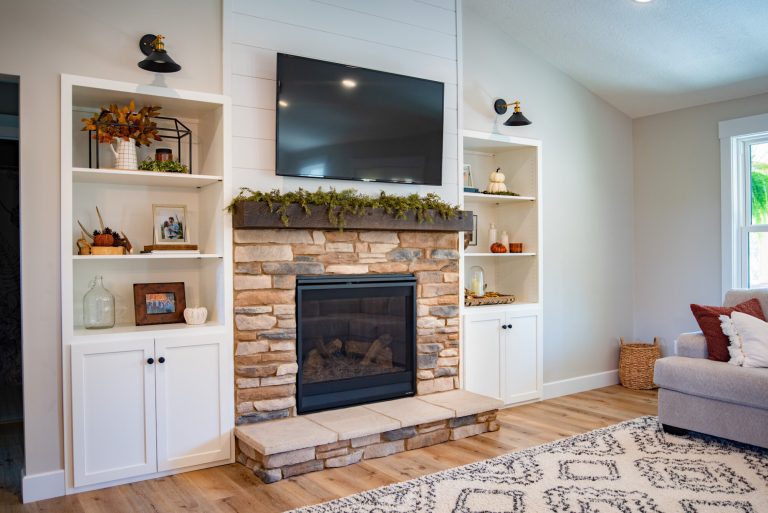
Gas fireplaces have gained immense popularity for several reasons:
Convenience and Efficiency: Unlike traditional wood-burning fireplaces, gas fireplaces ignite instantly with the flip of a switch or press of a button. They provide consistent heat without the hassle of gathering firewood, cleaning ashes, or dealing with smoke.
Cleanliness: Gas fireplaces produce minimal smoke and particulate matter, making them cleaner and more environmentally friendly compared to wood-burning alternatives.
Design Flexibility: With various styles, sizes, and installation options available, gas fireplaces can complement any home décor, from modern to rustic.
Cost-Effectiveness: Gas fireplaces are highly efficient, often boasting efficiency ratings of 70-90%. This efficiency can translate into lower heating bills compared to traditional heating methods.
The Importance of Regular Maintenance
To ensure your gas fireplace continues to operate safely and efficiently, regular maintenance is crucial. Here’s why maintenance matters:
Safety: Routine inspections and maintenance help identify potential issues such as gas leaks or faulty components before they become hazardous.
Efficiency: Cleaning and tuning the fireplace components (like burners and vents) improve efficiency and reduce the risk of malfunctions.
Longevity: Proper maintenance prolongs the lifespan of your gas fireplace, protecting your investment for years to come.
How to Clean Your Gas Fireplace:
Regular cleaning is essential for maintaining the efficiency and aesthetics of your gas fireplace. Here’s a simple guide to cleaning your gas fireplace:
- Turn Off the Gas: Before cleaning, turn off the gas supply to the fireplace to ensure safety.
- Clean the Glass: Use a non-abrasive cleaner and soft cloth to clean the glass front of the fireplace. Avoid using ammonia-based cleaners, as they can damage the glass.
- Vacuum Interior: Carefully vacuum the interior of the fireplace to remove dust, debris, and any loose particles.
- Inspect Logs and Burners: Inspect the logs and burner assembly for any signs of wear or debris buildup. Clean them as necessary using a soft brush or compressed air.
- Check Vents and Exhaust: Ensure that the vents and exhaust pathways are clear of obstructions, which can affect the fireplace’s performance.
- Schedule Professional Maintenance: While regular cleaning is beneficial, scheduling annual professional maintenance with L.T. Rush Stone Inc. ensures thorough inspection and servicing.