The Fugitive Slave Act of 1850 required the return of slaves to their owner under all circumstances. This act not only required American citizens to aid in capturing fleeing slaves but ensured harsh penalties on individuals that aided their escape. Even though the act was a faction of the Compromise of 1850 intended to facilitate tensions between the North and South, the compromise hardly eased agitation, but rather escalated the situation further.
Despite the range of punishments that citizens faced by harboring slaves, Mercersburg, Pennsylvania quickly become known as an important stop along the Underground Railroad before the Civil War. Acheson Ritchey, Jacob Bezan, and Bezan’s son, George are three Mercersburg individuals known for their remarkable efforts towards assisting slaves to freedom by guarding safe houses day and night, as well as strategically helping and predicting the safety of slaves depending on their circumstances.
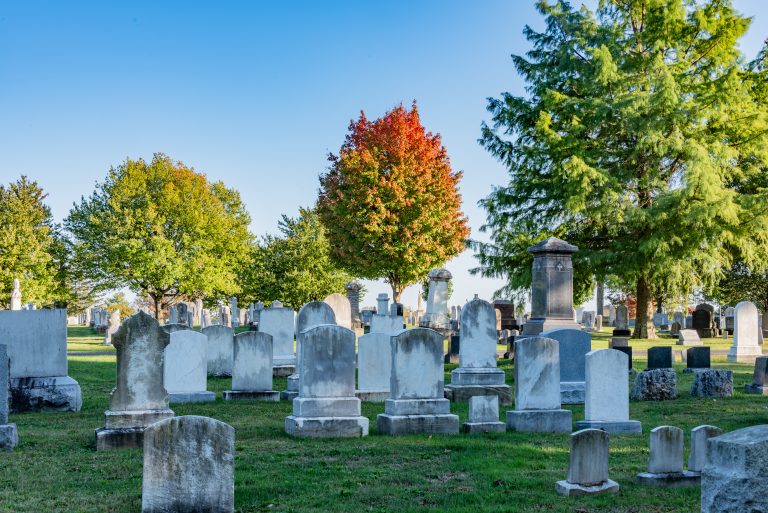
By the time the Civil War commenced, about 420 African American individuals in the 1860 census occupied an area southwest of Mercersburg known as “Little Africa” that acted as not only a place of refuge for fleeing slaves, but a lasting residence for generations to come. The Zion Union Cemetery features the resting sites of approximately 38 African American Civil War veterans, many of whom served in the 54th Massachusetts Volunteer Infantry, the first regiment in the North devised of all African American soldiers. The regiment is most notably known for their assault on Fort Wagner that demonstrated the equality of African American and White soldiers during the Civil War, inspiring thousands to serve the same.